
Views: 0 Author: Site Editor Publish Time: 2026-09-04 Origin: Site


Commercial and industrial Battery Storage functions as a complex, interdependent ecosystem rather than a simple standalone product. You must view these installations as living networks where hardware and software communicate constantly. Procurement failures rarely happen because a manufacturer supplied defective battery cells. Instead, failures usually stem from severe component mismatches or unforeseen integration blind spots. Inadequate software controls also severely cripple otherwise healthy physical assets. Successfully evaluating a Battery Energy Storage System (BESS) requires you to look far beyond top-line capacity metrics. You must thoroughly understand how these core components interact under heavy loads. These underlying elements strictly dictate system safety protocols and complex grid compliance rules. They ultimately determine whether your asset delivers strong lifecycle returns. Throughout this guide, we will explore the critical hardware, power conversion, and software layers in detail. You will learn exactly how to align these vital components for maximum reliability.
Hardware sets the ceiling, software drives the revenue: While battery cells define physical capacity, the management software and inverters determine market participation and asset longevity.
Integration is the primary risk factor: Misalignment between the BMS, EMS, and PCS leads to stranded assets, warranty disputes, and thermal risks.
Compliance is non-negotiable: Component selection must be driven by strict adherence to regional fire codes (NFPA) and interoperability standards (UL 9540).
Physical energy reservoirs consume the largest share of project capital. Picking the right chemistry and housing shapes your overall site footprint. It also dictates long-term degradation curves and major safety liabilities. You must weigh these physical constraints carefully before breaking ground.
We must evaluate Lithium Iron Phosphate (LFP) against Nickel Manganese Cobalt (NMC). A commercial lens reveals distinct operational differences between them. LFP offers superior thermal stability under heavy cyclic loads. It also delivers an exceptionally long functional lifecycle. Conversely, NMC provides much higher volumetric energy density. This specific density suits dense urban sites lacking adequate physical space. However, industrial buyers increasingly prefer LFP architectures. Its robust safety profile significantly reduces devastating fire risks.
Cycle life guarantees directly affect your long-term financial modeling. Depth of discharge (DoD) limitations play an equally critical role here. You must understand how deeply a battery can discharge safely. Frequent deep cycling accelerates irreversible cell degradation. Ensure your selected Battery Modules match your intended daily operational profile perfectly. Pushing cells beyond their stated DoD limits voids warranties quickly.
Cooling architectures vary significantly across different manufacturers. Traditional HVAC systems use forced air to cool internal components. Liquid cooling architectures pump chilled fluid directly alongside the cells. Liquid cooling ensures much better temperature uniformity across your Battery Modules. It also drastically reduces parasitic electrical loads compared to industrial fans. This improved efficiency saves considerable operational energy over a decade. Uniform temperatures prevent localized hot spots from forming. Hot spots frequently cause premature cell aging and trigger safety shutdowns.
You must deploy robust fire suppression hardware inside the enclosures. Insurance providers demand strict adherence to modern safety standards. Permitting authorities require specific mitigation systems before issuing operational certificates.
Common fire suppression hardware elements include:
Clean agent suppression systems designed to extinguish early-stage fires safely.
Deflagration venting panels built to release explosive internal gases quickly.
Dedicated dry pipe sprinkler connections for municipal fire department access.
Advanced gas detection sensors linked directly to the main safety relays.
The Power Conversion System serves as an absolutely critical gateway. It bridges the direct current battery and the alternating current grid. A bottleneck here severely limits your operational flexibility. It restricts the system's ability to monetize rapid utility market fluctuations.
An Inverter (PCS) manages all complex charge and discharge cycles daily. It seamlessly converts direct current into usable alternating current. It also reverses this entire process during scheduled charging phases. You should carefully evaluate its bidirectional conversion efficiency. Aim for an overall efficiency rating consistently above 98 percent. Minor efficiency losses compound heavily over a fifteen-year project lifecycle. A mere one percent drop translates into massive lost revenue. High-quality inverters prevent this continuous and invisible energy bleed.
Modern utility programs require specific advanced inverter features. Your PCS must support dynamic reactive power generation. It should also provide seamless localized voltage regulation. Some volatile markets even require synthetic inertia capabilities. These specific features stabilize the broader grid during sudden voltage sags. Utilities often compensate owners handsomely for providing these stabilization services.
Microgrids demand a completely different set of capabilities. You must understand "grid-forming" versus "grid-following" functionality. Grid-following inverters need an existing external grid signal to operate. If the utility drops, these inverters shut down completely. Grid-forming inverters can establish their own stable voltage reference. This unique capability enables true electrical islanding. It keeps your facility running smoothly during total regional grid failures. Proper sizing ensures the inverter can handle immense surge currents during these blackout events.
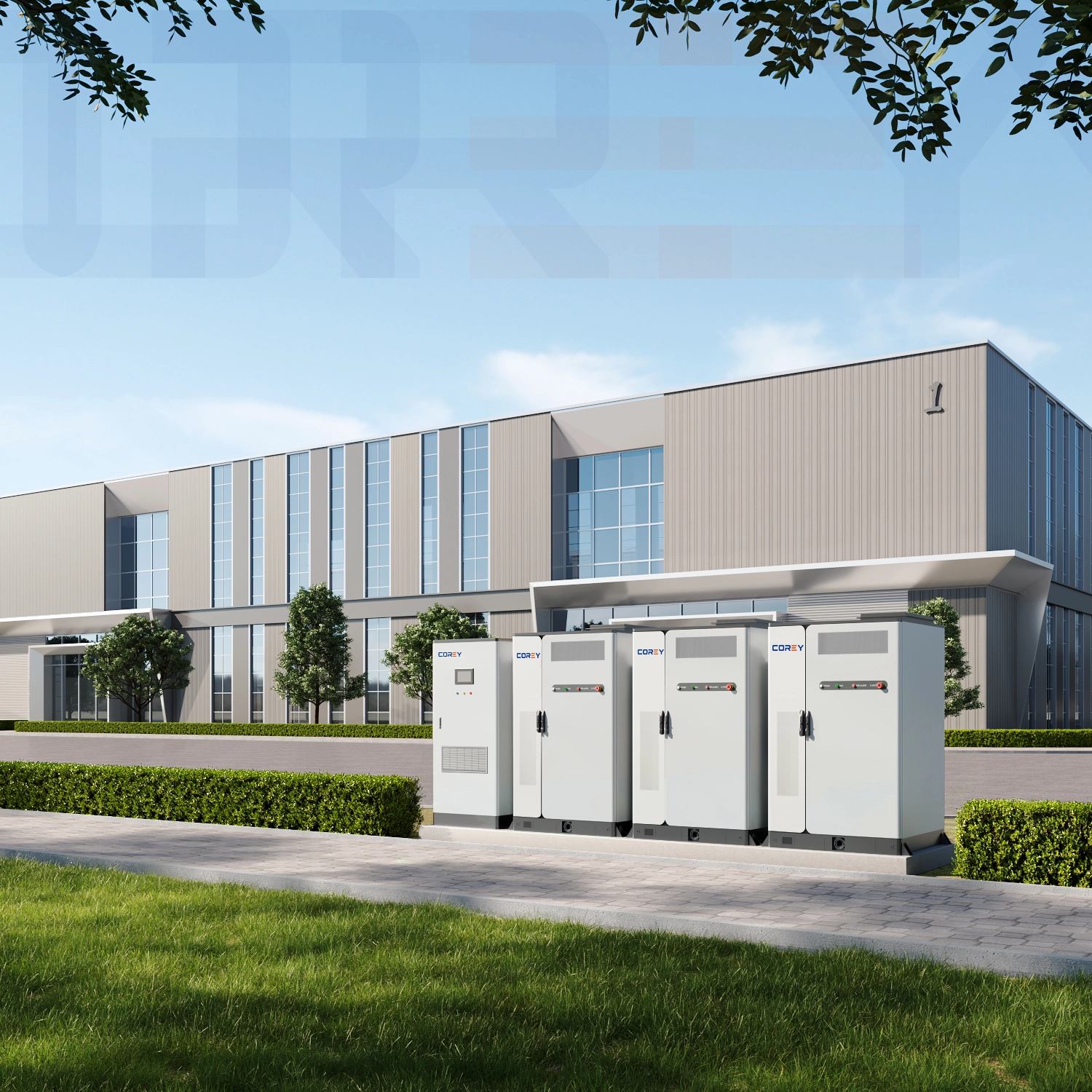
Without enterprise-grade software, your hardware acts as a passive liability. Thousands of battery cells cannot orchestrate themselves. Code dictates exactly how the asset protects its internal chemistry. It also determines how the entire system generates reliable cash flow.
The BMS monitors granular cell-level telemetry continuously. It tracks precise voltage, ambient temperature, and state of charge. This localized oversight acts as your most essential safety guardrail. A robust BMS actively prevents dangerous thermal runaway events. It electronically isolates failing cells before they overheat entirely. Furthermore, the BMS handles routine cell balancing behind the scenes. Balancing ensures all individual cells charge and discharge evenly. This vital process crucially prevents premature capacity fade across the rack. If the BMS fails, the physical battery faces immediate structural peril.
The EMS operates as your primary financial engine. It executes your overarching commercial strategy based on market signals. The EMS controls automated peak shaving and localized demand response. It also handles lucrative time-of-use arbitrage seamlessly. It decides exactly when to pull energy or push it back.
Open application programming interfaces remain vital for your Management Software (BMS/EMS). They prevent frustrating and costly vendor lock-in. Open protocols allow seamless integration into existing site-level SCADA systems. They also let you connect advanced third-party trading algorithms securely. You can swap market operators easily if the software remains open. Proprietary closed systems restrict your future revenue opportunities severely.
System Functions Comparison Chart
System Type | Primary Operational Focus | Key Metrics Tracked | Direct Business Impact |
|---|---|---|---|
Battery Management System (BMS) | Hardware Safety & Cell Health | Voltage, Temperature, Balancing | Prevents catastrophic failure and early capacity loss. |
Energy Management System (EMS) | Financial Dispatch & Grid Interaction | Market Pricing, Site Load, Tariffs | Drives investment returns through optimized energy dispatch. |
Buying best-in-class individual components never guarantees a functional final system. Poor component integration derails project timelines incredibly quickly. You must plan the overarching electrical architecture carefully from day one.
Integrating components requires choosing between two main physical topologies. You can couple complementary systems on the AC side. You can alternatively couple them on the DC side. This specific choice matters deeply for solar co-location projects.
AC-coupled systems feature completely separate inverters for solar and storage. This approach offers easier retrofitting for older existing solar plants. DC-coupled systems share a single unified bidirectional inverter. This shared topology drastically reduces upfront capital expenditures. It also effectively prevents efficiency losses from multiple DC-AC conversions.
Consider these essential round-trip efficiency trade-offs:
DC-coupled systems typically achieve higher overall energy conversion efficiency.
AC-coupled systems provide much greater redundancy during isolated inverter failures.
DC architectures effectively limit clipping losses when solar production exceeds grid limits.
AC configurations offer simpler regulatory metering in certain utility jurisdictions.
Purchasing complex parts from disparate vendors creates severe integration risks. You easily fall into the dreaded "finger-pointing" trap. When a system underperforms, the battery vendor naturally blames the inverter. The inverter vendor swiftly blames the software provider. This deep fragmentation paralyzes crucial troubleshooting efforts. Weeks pass while lawyers argue over root causes.
We strongly advocate for purchasing fully integrated modular solutions. Alternatively, use highly certified integration specialists to assemble the parts. You need a single accountable throat to choke. One unified party must strictly underwrite the final performance guarantees. This unified approach simplifies long-term maintenance drastically. It also ensures firmware updates sync correctly across all subsystems.
Technical buyers need highly actionable steps during the RFP phase. Selecting a reliable vendor requires looking far beyond mere hardware specifications. You must rigorously vet their corporate longevity and technical compliance.
You must evaluate potential suppliers across several critical business dimensions.
Bankability & Track Record
Can the vendor actually survive the next two decades? You need them to strongly support a 15-20 year long-term service agreement. Exciting startups may offer incredibly cheap hardware today. However, they might completely vanish before your warranty expires. Demand hard evidence of strong financial stability. Request logs of previously deployed gigawatt-hours to verify their operational experience.
Certifications
Rigorous safety certifications remain completely non-negotiable for commercial buyers. Require mandatory documented evidence of UL 9540 compliance. This standard rigorously verifies safe system-level integration. You also strictly need UL 1973 for battery component safety. Failing to secure these certifications stops your permitting process instantly. Insurance companies will aggressively deny coverage without these baseline documents.
Software Scalability
You must closely assess the underlying code architecture. Ask if their Management Software (BMS/EMS) allows future hardware expansion natively. A successful initial pilot project often leads to wider multi-site fleet management. The software must scale effortlessly across different regional geographies. It should aggregate distributed energy assets into one intuitive unified dashboard.
Successful battery storage deployment requires a truly holistic technical view. You must clearly understand how modules, inverters, and software interact constantly. Hardware strictly dictates your maximum physical energy potential. However, software reliably translates that physical potential into real cash flow. Technical buyers must prioritize seamless integration capability above all else. Software flexibility matters far more than pure cost-per-kWh hardware metrics. Cheap, disconnected components cost you heavily during lengthy integration delays. They also rapidly erode value through highly inefficient market dispatch. We strongly urge you to take proactive architectural steps today. Contact an experienced integration specialist immediately. Request a comprehensive consultation to audit your site's specific component requirements. Expert guidance ensures your procurement strategy fully supports your operational demands.
A: The Battery Management System (BMS) ensures vital physical protection. It monitors internal cell temperatures and voltages to prevent thermal runaway. The Energy Management System (EMS) exclusively controls financial dispatch. It dictates exactly when the system charges or discharges based on utility rates.
A: Upgrading components independently presents major interoperability challenges. Legacy software often struggles to recognize newer hardware communication protocols. You must meticulously verify communication standards before replacing structural parts. Vendor-agnostic EMS platforms make independent modular upgrades significantly easier.
A: You will routinely replace standard HVAC filters and liquid coolant fluids. Internal inverter fans also degrade and generally need replacement every five years. Additionally, lithium battery cells undergo natural chemical degradation. You must plan a specific augmentation strategy to add fresh modules around year ten.


