
Views: 0 Author: Site Editor Publish Time: 2026-10-27 Origin: Site


Table of Contents
Choosing the best off-grid power solution requires more than selecting solar panels or batteries. A reliable system must match daily electricity demand, local energy resources, environmental conditions, and the level of backup power required.
For many applications, solar panels combined with battery storage provide a practical foundation. However, remote industrial sites, construction projects, and facilities operating in harsh climates may benefit from hybrid systems that combine multiple power sources.
Distributed Energy Resources (DERs) enable electricity to be generated and managed close to where it is consumed. When integrated with energy storage systems, they can support electricity supply during nighttime hours, unfavorable weather, and periods of high demand.
This guide explores the main off-grid power technologies, compares their advantages and limitations, and explains how to select an appropriate solution for residential, commercial, and industrial applications.
A solar-plus-battery system combines electricity generation, storage, and power conversion to supply loads without depending on the utility grid.
Its main components work together to maintain a stable electricity supply.
Component | Primary Function |
|---|---|
Solar panels | Convert sunlight into DC electricity |
Solar charge controller | Regulates electricity delivered to the battery |
Battery energy storage system | Stores electricity for periods without sufficient generation |
Off-grid inverter | Converts DC electricity into AC power |
Battery Management System (BMS) | Monitors and protects lithium battery operation |
Electrical protection equipment | Provides isolation and protection against electrical faults |
Some modern off-grid inverters integrate solar charging and battery management interfaces, reducing the number of separate components.
System compatibility is essential. Battery voltage, inverter capacity, solar input limits, and electrical protection requirements must be considered together.
LiFePO4 batteries are widely used in off-grid energy storage because they offer long cycle-life potential, high usable capacity, and relatively stable battery chemistry.
Compared with conventional lead-acid batteries, their advantages may include:
Longer cycle life: Suitable for applications involving frequent charging and discharging.
Higher usable capacity: Often supports deeper discharge within manufacturer-specified limits.
Lower routine maintenance: No electrolyte watering is required.
Good energy efficiency: Helps reduce energy losses during repeated cycling.
Thermal stability: Offers favorable thermal characteristics compared with some other lithium-ion chemistries.
These characteristics make LiFePO4 attractive for remote homes, telecommunications equipment, and industrial energy storage applications.
However, battery performance depends on operating temperature, depth of discharge, charge rate, and cell quality.
An important limitation is low-temperature charging. LiFePO4 batteries generally require appropriate protection or heating when charging below freezing.
Off-grid and grid-tied solar systems use similar electricity generation technologies but differ in how they manage energy availability.
An off-grid solar system must independently balance generation, storage, and electricity consumption. Batteries are normally necessary to supply power at night or during periods of insufficient sunlight.
A grid-tied solar system can draw electricity from the utility network when solar generation is insufficient. Depending on local regulations and system design, it may also export excess electricity.
The main distinction is energy independence.
Off-grid installations require careful planning for unfavorable weather, battery autonomy, and backup generation. Grid-tied installations can use the utility network as an additional source, although backup operation during outages requires compatible equipment.
Cold weather affects battery capacity, charging efficiency, and available power.
For LiFePO4 batteries, charging below 0°C generally requires suitable protection because improper low-temperature charging can damage battery cells.
Important cold-climate considerations include:
Battery charging and discharging temperature ratings.
Insulated or heated battery enclosures.
BMS-controlled low-temperature charging protection.
Energy consumption associated with battery heating.
Appropriate inverter and charger settings.
Sufficient storage reserves during winter.
Some specialized battery systems can operate in extremely cold environments, but charging and discharging temperature limits must be verified separately.
A battery capable of discharging at very low temperatures should not automatically be considered suitable for charging under the same conditions.
Solar-plus-battery systems can support a wide range of applications.
Application | Typical Electrical Loads | Main Requirement |
|---|---|---|
Remote homes | Lighting, refrigeration, communications | Daily energy availability |
Construction sites | Lighting, monitoring equipment, tools | Reliable temporary power |
Emergency response | Communication devices, essential electronics | Rapid deployment |
Remote monitoring | Sensors, communication equipment | Continuous low-power operation |
Agricultural facilities | Pumps, controls, monitoring systems | Load compatibility and autonomy |
For remote residential applications, battery capacity should account for nighttime consumption and seasonal sunlight changes.
Industrial applications may require additional surge capacity, environmental protection, and backup power.
Portable power stations integrate rechargeable batteries, power conversion electronics, and electrical output interfaces into a compact enclosure.
Depending on the model, they can be charged through solar panels, AC power supplies, or compatible vehicle charging systems.
Stored energy is delivered to connected equipment through AC or DC outputs.
These systems provide localized electricity and can be useful where utility power is unavailable or unreliable. Their classification as DERs depends on the technical and regulatory context.
Portable power stations are particularly valuable when mobility, quiet operation, and rapid deployment are more important than large-scale electricity storage.
Consumer and industrial portable power stations differ mainly in their intended applications, construction, and performance requirements.
Feature | Consumer Portable Power Station | Industrial or Professional Power Station |
|---|---|---|
Typical application | Camping, household backup, small devices | Field operations, professional equipment |
Output capability | Selected for compatible portable loads | May support higher-power equipment |
Enclosure | Designed for general portability | May offer enhanced environmental protection |
Monitoring | Depends on model | May include advanced diagnostics |
Charging options | Solar, AC, vehicle charging | Application-specific input options |
Environmental performance | Model-dependent | Model-dependent, potentially with wider operating limits |
There is no universal battery-capacity threshold separating consumer-grade and industrial-grade products.
For example, a portable station with approximately 2 kWh of nominal energy storage may operate a 200 W load for roughly eight to nine hours under favorable conditions.
Actual runtime depends on usable battery capacity, conversion losses, temperature, and auxiliary consumption.
Low temperatures can reduce available battery capacity and limit charging performance.
Professional portable power stations designed for demanding environments may include thermal management, reinforced enclosures, and additional electrical protection.
Before selecting equipment, verify the manufacturer's specified operating temperature range, continuous output rating, surge capacity, and environmental protection.
Product certifications also require careful review. Relevant UL, CSA, IEC, or other standards depend on the equipment category and destination market.
Certification should be verified against the specific product model and applicable standard, rather than assuming that a general safety mark covers every operating condition.
Portable energy storage is most useful when electricity must be available without a permanent installation.
Common scenarios include:
Emergency backup: Supplying essential electronics during temporary outages.
Mobile work sites: Powering compatible tools, lighting, and communications equipment.
Outdoor recreation: Supporting camping, recreational vehicles, and events.
Temporary installations: Supplying power to monitoring equipment and field operations.
Remote maintenance: Providing electricity for testing and service activities.
For these applications, portability and ease of deployment can be more important than maximum battery capacity.
Portable power stations offer convenience, but their energy capacity and continuous output are limited by the product design.
High-power equipment may exceed the inverter rating, while long operating periods can quickly deplete stored energy.
Total ownership cost should include equipment purchase, charging accessories, expected battery life, maintenance, and potential replacement expenses.
For permanent off-grid installations with substantial daily electricity demand, a fixed solar-plus-battery system may offer greater flexibility in system sizing and future expansion.
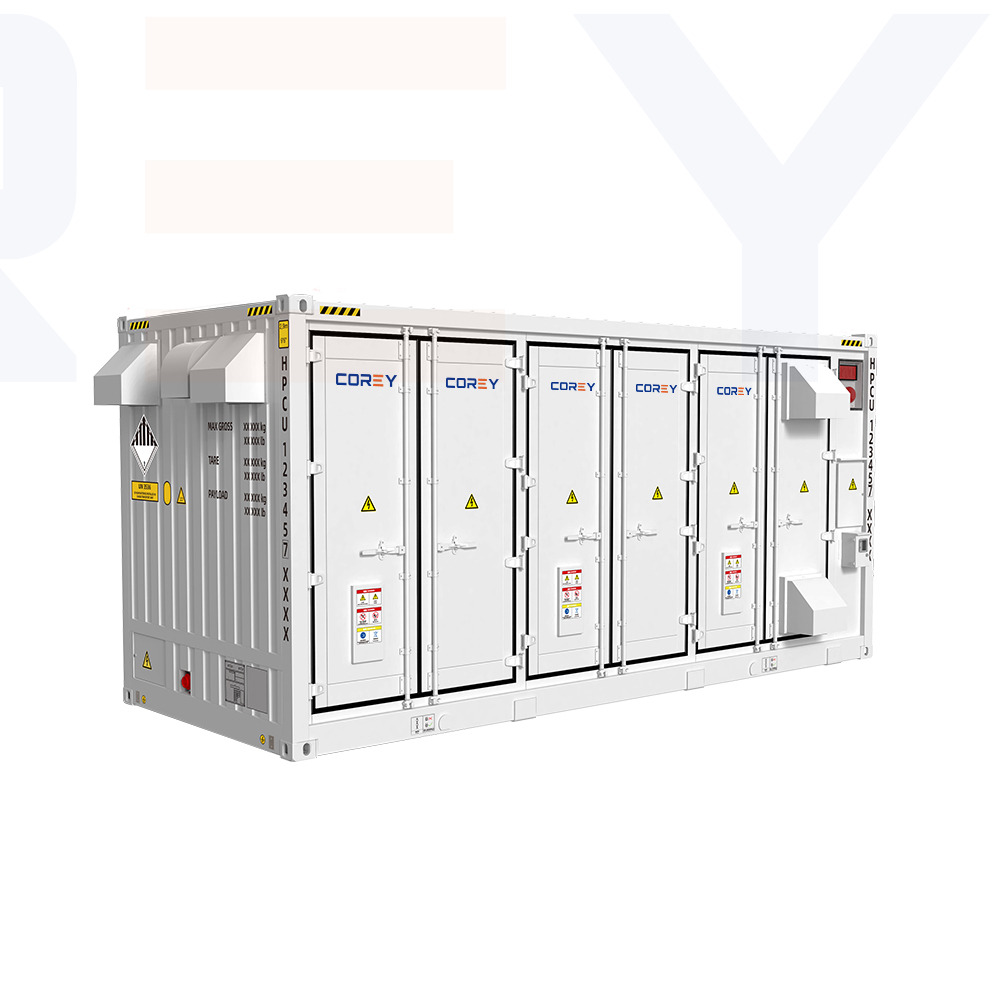
Small wind turbines can generate electricity for off-grid applications where local wind resources are suitable.
Their performance depends on wind-speed distribution, tower height, terrain, and turbine characteristics.
Open areas with consistent wind conditions generally provide better opportunities than sites surrounded by buildings or trees.
Before installing a small wind turbine, evaluate:
Local wind resources at the proposed installation height.
Terrain and turbulence.
Turbine power characteristics.
Structural and foundation requirements.
Noise and setback regulations.
Maintenance accessibility.
Compatibility with the energy storage system.
Average wind speed alone is not sufficient to determine project viability. A site-specific energy assessment is recommended.
Wind and solar generation can complement one another under suitable local conditions.
Solar panels generate electricity during daylight hours, while wind turbines may continue producing electricity at night or during periods of reduced sunlight.
Combining these technologies can diversify electricity generation and reduce dependence on a single renewable resource.
However, the benefits depend on local weather patterns.
At some locations, wind production may be stronger during seasons with lower solar generation. At others, both resources may decline during the same periods.
A reliable hybrid system should therefore be designed using representative local generation data rather than assuming that wind and solar are always complementary.
Micro-hydro systems generate electricity from flowing water.
Where sufficient water flow and elevation difference are available, micro-hydro generation may provide relatively consistent electricity throughout the day.
Unlike solar and wind generation, a suitable micro-hydro system may operate continuously when water conditions remain favorable.
Potential benefits include:
Continuous electricity generation under suitable conditions.
Reduced dependence on battery discharge.
Lower generator operating hours.
Improved supply availability during nighttime periods.
Potential reduction in required battery storage capacity.
Actual generation depends on water flow, effective head, turbine efficiency, and seasonal water availability.
A reliable year-round water source is essential. Seasonal streams or waterways with highly variable flow may not support continuous operation.
Wind and micro-hydro installations may require approvals related to land use, electrical safety, environmental protection, or water resources.
Project Type | Potential Regulatory Considerations |
|---|---|
Small wind turbine | Zoning, tower height, setbacks, noise |
Micro-hydro system | Water rights, ecological flow, environmental permits |
Battery storage | Electrical installation and fire safety |
Hybrid installation | Interconnection between components and site-specific requirements |
Approval procedures vary by jurisdiction and project scale.
Early consultation with relevant authorities can help identify restrictions before equipment procurement.
Wind turbines are generally more suitable for open plains, exposed coastal areas, and other locations with consistent wind resources.
Micro-hydro installations are more suitable for areas with reliable water flow and sufficient elevation difference.
Mountainous regions with perennial streams may provide favorable conditions, but seasonal changes and environmental restrictions must be considered.
Geographic location alone does not determine system suitability. Measured resource availability and site-specific engineering remain essential.
Fuel-powered generators provide electricity when renewable generation and battery storage cannot fully meet demand.
Propane and natural gas generators are commonly used for stationary backup applications.
Propane can be stored in suitable pressure vessels, making it useful for remote sites without a natural gas connection.
Natural gas generators may offer convenient fuel access where a reliable distribution network is available.
Both technologies can support hybrid off-grid systems, but they still require fuel supply, ventilation, maintenance, and appropriate exhaust management.
Propane can be attractive for backup applications because of its storage characteristics and fuel-handling requirements.
Its potential advantages include:
Storage stability: Propane does not experience the same degradation mechanisms as stored gasoline.
Fuel handling: Sealed storage systems can reduce certain contamination risks.
Seasonal use: Suitable for some installations requiring occasional generator operation.
Combustion characteristics: May produce different emissions and engine deposits compared with gasoline or diesel.
However, propane performance in cold environments depends on tank temperature, fuel withdrawal rate, and vaporization capacity.
Fuel availability, generator efficiency, operating costs, and local regulations should all influence the final decision.
Diesel generators are widely used in remote industrial facilities because they can support substantial electrical loads.
They are often considered where reliable backup power and established fuel logistics are important.
However, diesel generation introduces several operational considerations.
Consideration | Potential Impact |
|---|---|
Fuel storage | Requires appropriate tanks and fuel management |
Cold-weather operation | May require suitable fuel treatment or heating |
Maintenance | Requires scheduled oil, filter, and engine servicing |
Noise | May require acoustic protection |
Exhaust emissions | Must meet applicable regulations |
Low-load operation | Can contribute to engine problems in certain applications |
Emission standards vary by jurisdiction and engine category.
Generator selection should reflect actual load demand, expected runtime, and maintenance capability.
Dual-fuel generators can operate on more than one supported fuel type.
A common configuration uses gasoline and propane, allowing operators to select fuel according to availability and operating requirements.
This flexibility can be useful at remote sites where fuel deliveries are unpredictable.
However, dual-fuel generators do not necessarily switch fuels automatically.
Some models require manual switching, and available electrical output may differ depending on the fuel used.
For hybrid energy storage systems, generator compatibility with the inverter and automatic-start controls should be verified before installation.
Generators must comply with applicable electrical, fuel-storage, noise, and emission requirements.
Important installation considerations include:
Exhaust routing and carbon monoxide protection.
Adequate ventilation.
Fuel storage safety.
Noise restrictions.
Electrical transfer and isolation.
Fire protection.
Maintenance access.
Generators must never be operated in enclosed or inadequately ventilated spaces.
For installations using automatic generator start, the control system must coordinate generator operation with battery charging and load demand.
Hybrid off-grid systems combine multiple electricity sources with energy storage to improve supply flexibility.
A typical configuration may include solar panels, a battery bank, an off-grid inverter, and a backup generator.
Wind or micro-hydro generation can be added where suitable local resources are available.
The main components work together to balance electricity production, storage, and consumption.
During periods of strong renewable generation, excess electricity may charge the batteries. When renewable output decreases, stored energy supplies the loads. Backup generators can provide additional electricity when necessary.
Actual operating sequences depend on system design and controller capabilities.
Hybrid systems can reduce dependence on a single electricity source.
Their potential benefits include:
Generation diversity: Multiple sources can contribute electricity under different conditions.
Improved resilience: Alternative sources may support loads when one source is unavailable.
Reduced fuel consumption: Renewable generation can reduce generator operating hours.
Flexible battery charging: Batteries may receive electricity from multiple sources.
Adaptability: System configurations can be tailored to seasonal demand.
However, additional components increase system complexity and may introduce more maintenance requirements.
Hybrid systems should therefore be evaluated according to their actual reliability and lifecycle cost.
Hybrid inverter-chargers coordinate power conversion and battery charging.
Depending on the equipment, they may support solar charging, generator input, battery monitoring, and automatic source transfer.
Function | Purpose |
|---|---|
DC-to-AC conversion | Supplies compatible AC loads |
Battery charging | Restores stored energy |
Solar MPPT control | Manages electricity from solar panels |
Generator input management | Coordinates backup generation |
Automatic transfer | Changes supported power sources |
Load prioritization | Manages electricity distribution |
Protection interfaces | Supports system safety and monitoring |
Not every hybrid inverter can directly accept wind or micro-hydro inputs.
Additional controllers, rectifiers, or AC-coupled equipment may be required.
Transfer times also vary between products. Applications requiring uninterrupted power must verify compatibility with sensitive electrical loads.
Remote monitoring can help operators identify abnormal conditions and understand system performance.
Typical monitoring information includes battery state of charge, inverter output, renewable generation, generator runtime, and system alarms.
For remote industrial installations, monitoring can reduce the need for routine site visits and support more informed maintenance planning.
Communication may be provided through cellular networks, Ethernet, Wi-Fi, or other suitable technologies.
However, remote monitoring does not replace physical inspections or scheduled maintenance.
Hybrid systems may require higher initial investment because they combine additional generation and control equipment.
Their economic value depends on how much renewable electricity can replace generator operation and whether the additional equipment improves supply reliability.
Cost Factor | Solar + Battery | Generator-Based | Hybrid DER System |
|---|---|---|---|
Initial investment | Capacity-dependent | Generator-dependent | Depends on system complexity |
Fuel consumption | None during battery-supported operation | Required during generation | Depends on renewable contribution |
Battery replacement | Relevant | Not always applicable | Relevant |
Generator maintenance | Not required without generator | Required | Required when included |
Weather dependence | Significant | Lower when fuel is available | Depends on source combination |
System complexity | Moderate | Varies | Generally higher |
A realistic cost analysis should include installation, fuel delivery, electricity demand, maintenance, equipment replacement, and expected system life.
There is no universal payback period for hybrid off-grid systems.
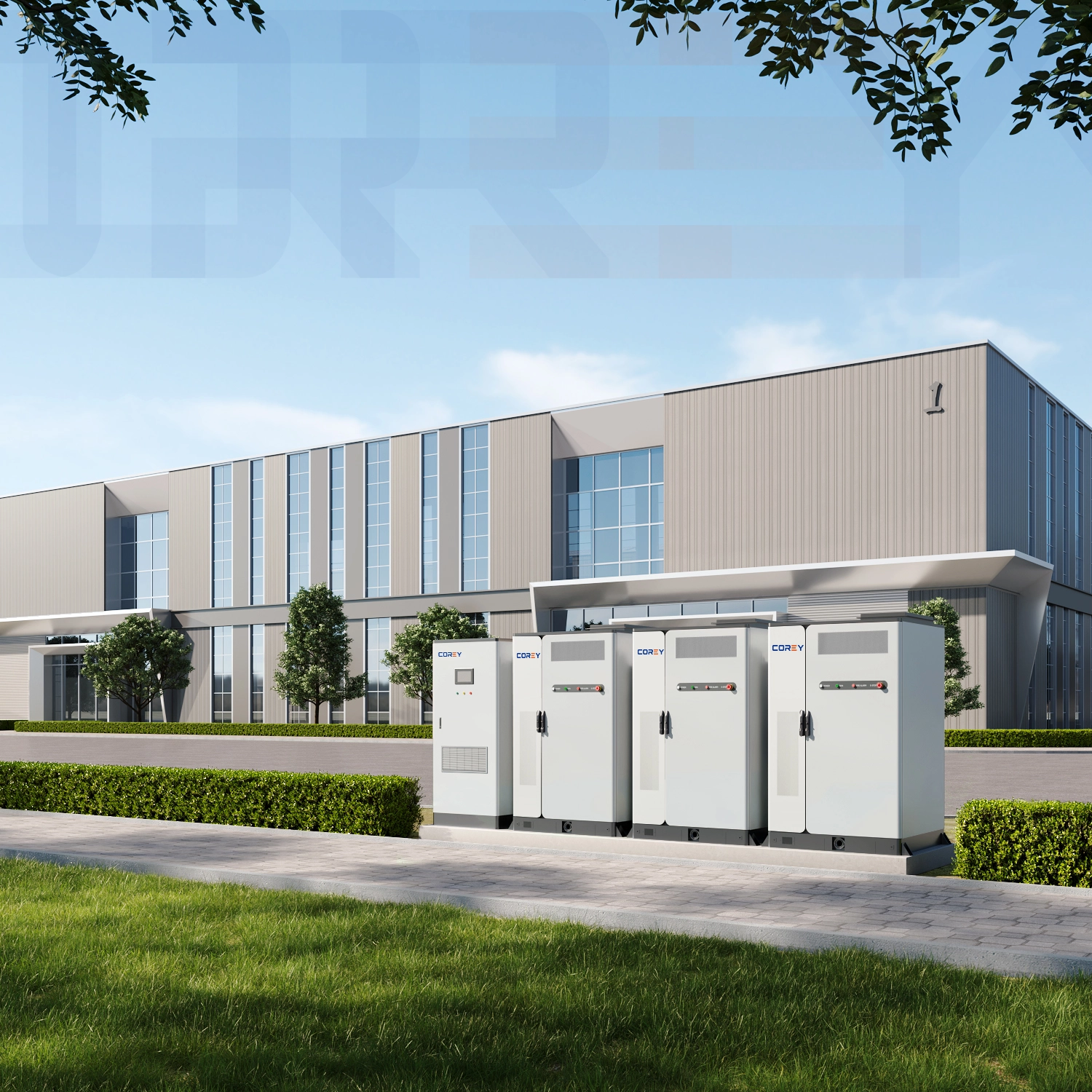
Battery chemistry influences energy density, cycle life, operating temperature, maintenance, and safety requirements.
Three technologies commonly considered for off-grid applications are LiFePO4, lead-acid, and nickel manganese cobalt (NMC) lithium-ion batteries.
Characteristic | LiFePO4 | Lead-Acid | NMC |
|---|---|---|---|
Cycle-life potential | Generally high | Often lower under deep cycling | Depends on design and use |
Energy density | Moderate to high | Relatively low | Generally high |
Routine maintenance | Low | Depends on battery type | Low |
Thermal characteristics | Relatively stable chemistry | Different electrolyte and gas-management risks | Requires careful thermal protection |
Typical application | Stationary daily cycling | Budget-sensitive or established systems | Space- and weight-sensitive applications |
Actual performance varies according to cell design, operating conditions, and manufacturer specifications.
Battery cycle life depends on depth of discharge, temperature, charge rate, and the manufacturer's end-of-life criteria.
For example, a battery tested under moderate temperatures and controlled discharge conditions may achieve a different service life when used in a demanding industrial environment.
The initial battery price should therefore not be the only selection factor.
A more useful comparison considers usable capacity, expected lifetime energy delivery, replacement requirements, and operating efficiency.
Temperature ratings also require careful interpretation.
LiFePO4 batteries may support low-temperature discharge under specified conditions, but charging below freezing generally requires additional protection or heating.
Each battery chemistry presents different safety and maintenance requirements.
LiFePO4 batteries generally offer favorable thermal stability and low routine maintenance. However, electrical faults, overheating, and fire hazards remain possible.
Lead-acid batteries require appropriate charging control and ventilation. Flooded models may also require electrolyte inspection and maintenance.
NMC batteries provide relatively high energy density but require suitable battery management and thermal protection.
For all battery technologies, the installation should include appropriate electrical protection, temperature monitoring, and maintenance procedures.
Battery selection should reflect the operating environment and application requirements.
LiFePO4: Often suitable for stationary off-grid installations involving frequent charging and discharging.
Lead-acid: May be considered where initial cost, existing infrastructure, or established maintenance practices are important.
NMC: Can be useful where compact size and reduced weight are major priorities.
No battery chemistry is universally superior.
For remote industrial applications, reliability, environmental performance, serviceability, and lifecycle cost may be more important than energy density alone.
Cold-climate energy storage systems require more than batteries with low-temperature discharge ratings.
The complete installation must account for charging limitations, battery heating, enclosure insulation, and winter energy demand.
Thermal Management Feature | Main Purpose |
|---|---|
Insulated enclosure | Reduces exposure to external temperature changes |
Battery heating | Supports operation within specified temperature limits |
BMS temperature monitoring | Detects unsuitable operating conditions |
Charging protection | Prevents charging outside permitted limits |
Additional energy reserve | Supports heating and winter electricity demand |
Battery heating itself consumes electricity and should be included in the system's energy planning.
For extreme environments, verify the operating ratings of the complete battery system rather than relying only on individual cell specifications.
Accurate load assessment is the foundation of reliable off-grid system design.
Start by identifying every device that requires electricity, its power consumption, and expected daily operating time.
For example, a remote facility may operate lighting, refrigeration, communications equipment, and a water pump.
Equipment | Rated or Average Power | Daily Operating Time | Estimated Daily Consumption |
|---|---|---|---|
LED lighting | 60 W | 5 hours | 300 Wh |
Refrigerator | 80 W average | 10 equivalent hours | 800 Wh |
Communication equipment | 30 W | 24 hours | 720 Wh |
Water pump | 500 W | 1 hour | 500 Wh |
Total | 2,320 Wh |
In this example, the facility consumes approximately 2.32 kWh per day.
If the system must operate for two days without sufficient renewable generation, the battery must provide enough usable energy for that period while accounting for conversion losses and battery operating limits.
Inverter sizing must also consider simultaneous loads and the starting power required by equipment such as motors and pumps.
Renewable energy availability varies significantly between locations.
Solar system planning should consider sunlight availability, shading, panel orientation, and seasonal weather conditions.
Wind projects require information about wind resources at the proposed turbine height.
Micro-hydro installations depend on water flow, elevation difference, and seasonal water availability.
A practical site assessment should establish:
How much solar electricity is available throughout the year.
Whether local wind resources justify a turbine.
Whether a suitable water source can support micro-hydro generation.
How often backup power may be required.
Whether seasonal changes could reduce electricity availability.
Using representative local resource data helps prevent both undersized and unnecessarily expensive systems.
The most appropriate off-grid system depends on the intended application rather than a fixed purchase budget.
Application | Potential Configuration | Main Priority |
|---|---|---|
Weekend cabin | Small solar-plus-battery system | Low daily energy demand |
Remote full-time home | Fixed solar and battery storage with optional backup | Year-round reliability |
Mobile work site | Portable or modular battery system | Mobility and output capability |
Remote industrial station | Hybrid generation and storage | Continuous operation |
Isolated high-demand facility | Engineered hybrid power system | Capacity and redundancy |
A smaller system may be sufficient for occasional use, while a permanent industrial installation may require greater storage capacity, monitoring, and backup generation.
Lifecycle cost should be considered alongside the initial equipment price.
Off-grid systems may require electrical, structural, environmental, or land-use approvals even when they are not connected to the utility grid.
Requirements vary by jurisdiction, equipment type, and installation scale.
Solar installations may require electrical and structural review. Wind projects may involve zoning, noise, and tower-height restrictions. Micro-hydro projects can require water-resource and environmental approvals.
Generator installations may also be subject to fuel storage, ventilation, noise, and emission regulations.
Compliance requirements should be reviewed before purchasing equipment or beginning construction.
Regular maintenance helps preserve system reliability and reduce unexpected downtime.
Solar panels: Inspect mounting structures, wiring, connectors, and signs of damage or excessive soiling.
Battery storage: Monitor state of charge, temperature, system alarms, and performance trends.
Inverters and controllers: Check ventilation, fault records, and operating parameters.
Generators: Follow the manufacturer's schedule for oil changes, filters, inspections, and other maintenance.
Monitoring equipment: Verify communication connections, alarm settings, and data recording.
Electrical maintenance should be performed by qualified personnel using appropriate isolation procedures.
Planning tools can help estimate system capacity, renewable generation, operating costs, and long-term economic performance.
Useful assessments include:
Daily and seasonal electricity consumption.
Solar generation potential.
Battery autonomy.
Inverter power requirements.
Generator operating hours.
Fuel consumption.
Equipment replacement schedules.
Total lifecycle cost.
For complex hybrid installations, hourly energy modeling is often more useful than calculations based only on average daily consumption.
Accurate planning should consider unfavorable weather, seasonal resource changes, and future electricity demand.
Different off-grid applications require different combinations of generation and storage technologies.
Application | Recommended Starting Point | Main Consideration |
|---|---|---|
Remote residential property | Solar panels with battery storage | Daily consumption and seasonal sunlight |
Temporary construction site | Portable or modular power station | Mobility and equipment power requirements |
Remote industrial facility | Hybrid DER system with backup generation | Reliability and operational continuity |
Site with reliable flowing water | Micro-hydro with battery storage | Water availability and installation feasibility |
Harsh winter environment | Battery storage with suitable thermal management | Charging protection and cold-weather operation |
For many installations, solar generation combined with appropriately sized battery storage is a practical starting point.
Wind and micro-hydro can provide additional benefits where local resources justify their use. Backup generators remain valuable for critical loads and extended periods of insufficient renewable generation.
The best off-grid power solution is not necessarily the most complex system. It is the configuration that reliably meets electricity demand while keeping installation, maintenance, and operating costs manageable.
Selecting the best off-grid power solution requires a clear understanding of electricity demand, local renewable resources, battery performance, and backup requirements.
Solar-plus-battery systems are suitable for many remote homes and smaller facilities, while portable power stations offer flexibility for temporary and mobile applications. Hybrid systems can support more demanding operations by combining renewable generation, battery storage, and backup generators.
Battery chemistry is equally important. LiFePO4 technology offers advantages for frequent cycling, but low-temperature charging limits, thermal management, and system compatibility must be considered.
For industrial and remote applications, reliable performance begins with accurate load assessment, appropriate equipment sizing, and realistic evaluation of environmental conditions.
Suzhou COREY Power Supply Technology Co., Ltd. provides power supply and energy storage products for different application requirements. Selecting suitable equipment should involve reviewing technical specifications, environmental ratings, and compatibility with the intended off-grid power system.
A solar-plus-battery system is often a practical starting point for a remote home. The required capacity depends on daily electricity consumption, seasonal sunlight, and desired backup duration. A generator may be useful during extended periods of low solar generation.
Distributed Energy Resources are electricity generation, storage, or controllable energy resources located close to where electricity is consumed. Examples include solar panels, small wind turbines, battery energy storage systems, and certain backup generators.
LiFePO4 batteries offer long cycle-life potential, favorable thermal stability, and relatively low routine maintenance. They are suitable for many applications involving frequent charging and discharging. However, charging below freezing requires appropriate protection or thermal management.
Hybrid systems can improve reliability when additional energy sources are available. Combining solar with wind, micro-hydro, or backup generation may reduce dependence on a single source. However, hybrid systems also introduce additional equipment costs and maintenance requirements.
Battery capacity depends on daily energy consumption, required autonomy, usable battery capacity, conversion losses, and operating temperature. A detailed load assessment is necessary before selecting the appropriate storage system.
Portable power stations can support temporary or relatively small electrical loads. For continuous high-energy demand, fixed energy storage systems generally provide greater capacity and flexibility.
Regular maintenance includes monitoring battery condition, checking operating temperatures, inspecting electrical connections, reviewing inverter alarms, and servicing backup generators according to manufacturer instructions.


