
Views: 0 Author: Site Editor Publish Time: 2026-05-16 Origin: Site


For commercial and industrial facilities, backup power has historically been viewed as a necessary, sunk-cost insurance policy. You buy a system, maintain it, and hope you never actually need it. As grid instability rises, peak demand charges squeeze operational budgets harder than ever. Facility managers and CFOs now question these standard choices. Are traditional backup methods still the most financially sound option for your business?
While a diesel engine provides brute-force extended runtime, a commercial battery energy storage system offers daily grid interaction. This guide breaks down long-term financial differences, operational limitations, and return timelines. We will help you evaluate which system directly aligns with your facility's financial goals. You will discover how modern solutions transform idle equipment into active revenue generators.
The TCO Crossover: While BESS requires a higher initial capital expenditure, zero fuel costs and minimal maintenance typically result in a 3- to 5-year payback period compared to diesel.
Daily Value vs. Idle Waiting: Diesel generators are depreciating assets that only provide value during an outage. BESS generates daily ROI through peak shaving and load shifting.
Reliability Realities: BESS offers millisecond response times and 95%+ uptime, but diesel remains relevant for prolonged, multi-day off-grid scenarios without renewable integration.
The Hybrid Trend: Modern industrial facilities are increasingly pairing a scalable C&I BESS cabinet with downsized diesel generators to maximize everyday savings while ensuring absolute long-term resilience.
The traditional diesel paradigm forces businesses to invest in dormant equipment. Diesel generators sit idle for 99% of the year. They remain purely reactive devices. You must provide continuous maintenance, oil changes, and fuel testing just to ensure readiness. Financially, they act as depreciating assets. They drain your operational budget without offering everyday utility.
Conversely, battery solutions provide daily value. They act as active financial tools for your facility. They interact directly with the grid to optimize how and when you consume power. You generate an immediate return on investment through several mechanisms:
Peak Demand Shaving: Utilities charge premium fees based on your highest power usage intervals. Batteries discharge stored energy during these peak tariff hours. This action drastically reduces utility demand charges.
Time-of-Use (TOU) Arbitrage: Power prices fluctuate throughout the day. You can store cheap off-peak power. You then utilize this stored energy when grid rates hit their highest peak.
Solar Integration: Facilities often generate excess solar power during midday hours. Batteries capture this excess generation. They prevent solar clipping and maximize your self-consumption rates.
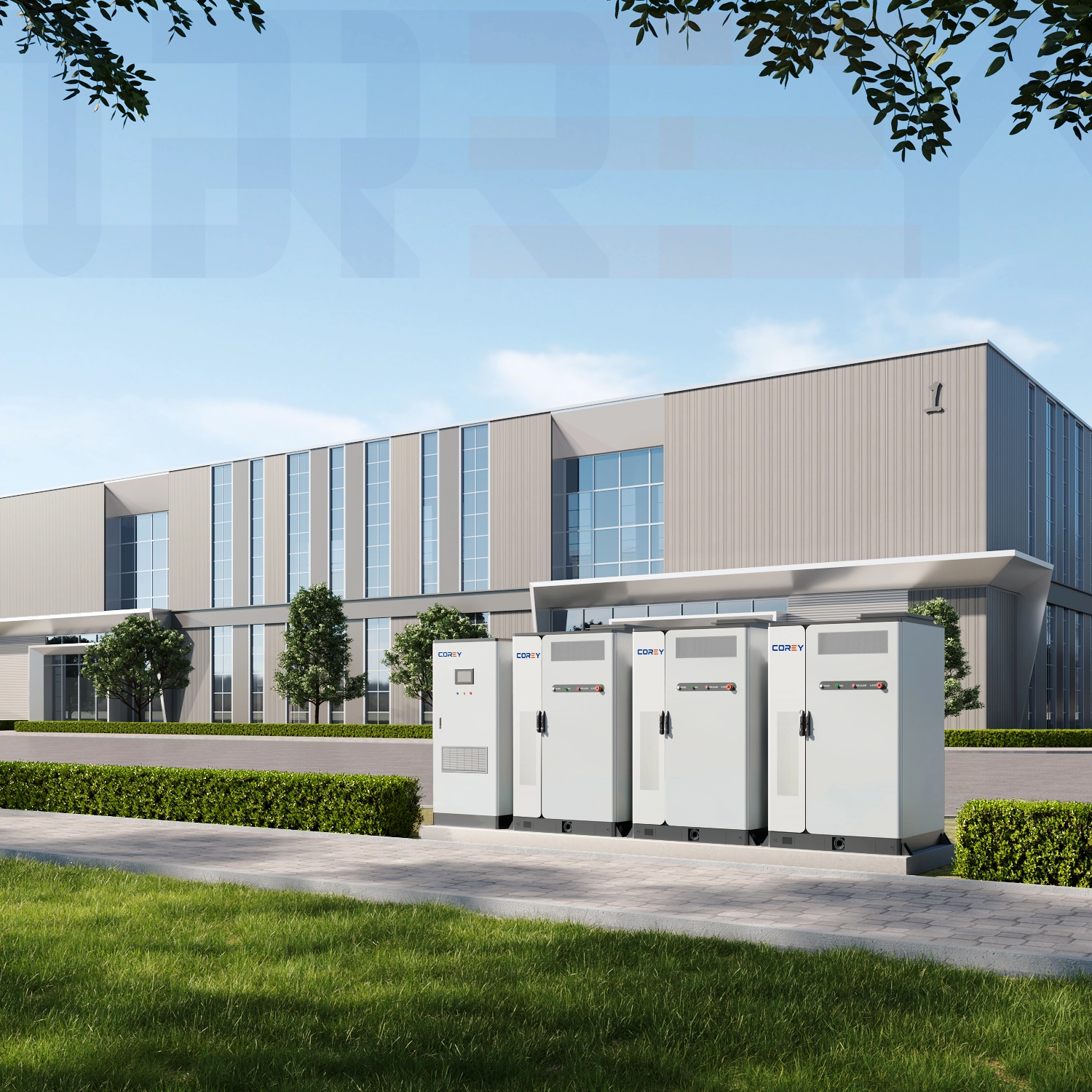
Evaluating power systems requires looking beyond the initial purchase order. You must analyze the complete decade-long financial impact. Upfront capital expenditure (CapEx) heavily favors traditional engines today. We acknowledge lithium-ion technologies carry a higher initial procurement and installation cost per kilowatt. However, the long-term math tells a different story.
Operational and maintenance costs (OpEx) represent a massive recurring burden for legacy systems. Diesel requires constant refueling and fuel polishing. It remains highly subject to volatile global commodity pricing. In contrast, battery "fuel" consists of cheap off-peak electricity or completely free solar energy. Maintenance differences are equally stark. Engines demand oil changes, filter replacements, and mechanical testing. Batteries require routine software monitoring and basic cooling checks. This shift cuts annual maintenance budgets by up to 80%.
You must also weigh environmental and compliance risks. We call this the "2026 Factor." Tightening emissions regulations and strict noise ordinances are rapidly turning diesel into a liability. Carbon taxes and localized bans on emissions directly threaten long-term financial viability. Many cities now restrict when and how long you can run combustion engines.
When you factor in tax credits, government incentives, and daily utility savings, the net result becomes clear. Battery arrays often reach absolute cost parity with diesel within three to five years. After crossing this threshold, they yield net-positive financial returns.
Financial Factor | Traditional Diesel Generator | Battery Energy Storage System |
|---|---|---|
Initial CapEx | Lower upfront procurement cost. | Higher initial hardware and installation cost. |
Fuel Costs | High. Subject to volatile oil prices. | Zero. Uses off-peak grid power or free solar. |
Maintenance | High. Mechanical parts, oil, and filters. | Low. Solid-state design, basic HVAC checks. |
Daily ROI | None. Purely a sunk-cost asset. | High. Achieved via peak shaving and arbitrage. |
When the grid fails, every second matters. Response time heavily dictates system effectiveness. Battery arrays provide seamless, uninterruptible power supply (UPS) capabilities. They transfer loads in milliseconds. This instant reaction prevents manufacturing line resets, protects sensitive robotics, and stops data loss. Diesel units require physical startup time. This delay causes momentary blackouts, forcing facilities to reboot entire operational workflows.
Mechanical failure rates also differentiate the two technologies. Diesel engines historically suffer from an 85% to 90% reliability rate during extreme weather events. Cold starts fail. Starter batteries die. Fuel lines freeze solid. We saw this extensively during recent historic winter storms. Solid-state battery setups maintain 95%+ uptime. They rely on advanced thermal management rather than moving mechanical parts.
We must transparently address the logistical reality of recharging. Skeptics often point out a fundamental limitation. If your facility faces a catastrophic five-day blackout and lacks a solar array, a battery will eventually deplete. Diesel fuel, however, can be trucked in continuously. Assuming supply chains remain open, combustion engines can run indefinitely. This specific logistical reality makes diesel superior for purely off-grid, extended-duration emergencies without renewable support.
No single technology solves every problem. You must align your equipment with your specific operational risks. We have categorized the three most common industrial scenarios to guide your decision.
Recommendation: C&I BESS Cabinet.
Why: Many urban facilities experience localized grid instability lasting one to four hours. These sites also suffer from punitive peak demand utility tariffs. A battery setup perfectly addresses this environment. It capitalizes on daily peak shaving to quickly pay for itself. You gain instant backup power for short disruptions while slicing your monthly utility bill.
Recommendation: Diesel Generator.
Why: Some facilities operate in highly remote regions facing severe weather threats. If physical footprint allows, noise is not an issue, and daily utility demand charges are low, combustion remains practical. The energy density of liquid fuel remains unmatched for continuous 48-hour runs without solar integration.
Recommendation: BESS + Downsized Diesel Generator as a premier diesel generator alternative architecture.
Why: Heavy industries increasingly deploy hybrid microgrids. The battery handles transient loads, voltage dips, and daily peak shaving. It provides instant emergency response. The generator only kicks in for extended, multi-day outages. It runs at an optimal, steady load to recharge the battery array. This architecture reduces generator runtime by up to 90%. You extend engine lifespan, slash fuel burn, and maintain absolute resilience.
Scenario Profile | Primary Threat | Optimal Solution | Key Benefit |
|---|---|---|---|
Urban / Commercial | High energy bills, short grid blips | Battery Storage | Daily utility savings, zero noise. |
Remote / Off-grid | Multi-day power loss, no solar | Diesel Generator | High energy density, refuelable. |
Heavy Industry | Demand spikes + critical long outages | Hybrid System | Optimized fuel use, instant response. |
Before you request a quote, you need accurate data. Use these actionable evaluation criteria to define your specific facility requirements.
Load Profiling: What exactly is your critical versus non-critical load? You must determine the required kilowatt (kW) output. Do not size a system to back up your entire facility if you only need to protect server rooms and assembly lines.
Duration Requirements: Do you need two hours of ride-through power to safely shut down production? Or do you require 24 hours of continuous operation? This answer strictly determines your needed kilowatt-hour (kWh) capacity.
Utility Tariff Structure: Are you subject to high peak demand charges? Review your past twelve months of utility bills. This data calculates your potential daily financial return and payback speed.
Site Constraints: Do you have restrictions on noise, emissions, or physical space? Batteries are silent, highly modular, and completely emission-free. They fit perfectly near office buildings or in strict compliance zones.
Future ESG Goals: Will you integrate solar PV arrays or electric vehicle (EV) charging stations in the next few years? A smart system scales easily. It acts as the central hub for future green energy upgrades.
The "cheapest" backup power depends entirely on your calculation window. If you only look at Day 1 capital expenditure, diesel wins the bid. However, if you evaluate a ten-year operational window, battery arrays decisively win. They eliminate volatile fuel costs, slash maintenance budgets, and actively lower your daily energy bills.
We encourage facility managers to move beyond the traditional "price per kW" mindset. Run a comprehensive, site-specific load analysis. Factor in the hidden costs of mechanical maintenance and impending environmental regulations. The transition from reactive insurance policies to proactive energy assets is already underway.
Stop paying for idle equipment. Contact our engineering team today for a customized ROI model and precise sizing recommendations for your very own C&I BESS Cabinet. We will help you secure your operations and optimize your budget.
A: Modern industrial batteries offer excellent cycle life, typically lasting 10 to 15 years before significant degradation occurs. Most tier-one manufacturers provide 10-year performance warranties. Diesel generators can technically last 20 years, but they require continuous, expensive mechanical rebuilds and strict maintenance schedules to reach that lifespan.
A: It depends entirely on your load size and maximum outage duration. For facilities facing frequent 2-to-4 hour outages, batteries easily replace combustion engines. For heavy industry facing multi-day blackouts, we recommend a hybrid setup. You combine a large battery array with a downsized generator for maximum resilience.
A: Yes, large lithium-ion systems require local electrical and fire permits. However, modern units come equipped with advanced built-in safety features. They utilize active liquid cooling, automated thermal runaway protections, and internal fire suppression gas modules to ensure absolute site safety and simplify the permitting process.
A: Batteries activate almost instantaneously. They boast sub-20 millisecond transfer times. This seamless switch functions effectively as an uninterruptible power supply (UPS). It ensures your sensitive computers, servers, and manufacturing lines never drop offline during a grid failure.


