
Views: 0 Author: Site Editor Publish Time: 2026-06-24 Origin: Site


Transitioning a modern smart home from grid-dependent to self-sustaining requires more than just smart thermostats and connected lights. It requires intelligent energy management right at the source. Home Battery Energy Storage Systems (BESS) have evolved significantly in recent years. They quickly transformed from niche off-grid solutions into central hubs for modern smart home infrastructure. For homeowners evaluating a system today, the decision is no longer just about surviving occasional power outages. It centers around securing true energy independence and achieving seamless integration alongside existing smart tech and solar arrays. As utility networks face increasing strain from severe weather and rising demand, capturing and controlling your own power becomes essential. You will learn how modern storage systems optimize time-of-use tariffs to maximize expensive solar investments. We will also explore how to evaluate complex battery chemistry, understand coupling architecture, and navigate difficult installation realities safely. By the end of this guide, you will know exactly how to select the right energy hardware for your unique household needs.
A modern home BESS system does more than provide backup; it optimizes time-of-use (TOU) tariffs and maximizes existing solar investments.
Selecting the right residential energy storage system requires evaluating battery chemistry (e.g., LFP vs. NMC), continuous power output, and smart inverter compatibility.
True ROI depends heavily on local utility net-metering policies and the household's peak energy consumption habits.
Proper implementation requires planning for physical footprint, electrical panel upgrades, and local compliance/permitting.
The core business problem for many households stems from rapidly rising utility rates and increasing grid instability. Favorable net-metering policies are actively phasing out across many regions. California’s transition to NEM 3.0 serves as a prime example. Utilities no longer pay premium rates for excess solar energy sent back into the grid. Because of these changes, homeowners must radically rethink their daily energy strategy. Moving away from loud, maintenance-heavy gas generators is the logical first step. Homeowners now prefer silent, fully integrated battery systems. This evolution marks a distinct shift. Hardware moves from being a passive emergency backup to becoming an active daily energy optimizer.
Solar synergy plays a crucial role in this ongoing shift. Generating solar power without a battery results in wasted potential during peak daylight hours. Your rooftop panels produce the most power at noon. However, you are likely away at work during this time. A robust smart home battery storage setup captures this excess daylight generation effectively. You can then consume this stored solar power during the evening when utility rates skyrocket.
Modern systems also act as intelligent smart home hubs. They utilize predictive AI to weather-forecast charge cycles dynamically. If the software detects an approaching severe storm, it automatically halts discharging. It then charges the battery to 100% capacity straight from the grid. These systems also manage heavy household loads seamlessly. Your EV charger or HVAC compressor can pull massive power directly from the battery. This prevents sudden spikes from tripping your main electrical breaker. This active management keeps utility bills low while ensuring your home remains comfortable during extended outages.
When you shop for a residential energy storage system, the technical specifications can feel overwhelming. You must distinguish clearly between storage capacity and power output. Storage capacity is measured in kilowatt-hours (kWh). It acts as your digital "fuel tank." This number determines exactly how long the system can run your house. Conversely, continuous or peak output is measured in kilowatts (kW). Think of power output as your "engine size." It determines which heavy appliances you can start and run simultaneously. A massive storage tank means nothing if the engine cannot supply enough initial surge current to start your well pump or air conditioner.
Battery chemistry realities also dictate long-term system performance. The current residential market heavily favors two dominant chemical compositions. Understanding their differences helps you make an informed purchase.
Battery Chemistry Comparison Overview | ||
Feature Category | Lithium Iron Phosphate (LFP / LiFePO4) | Nickel Manganese Cobalt (NMC) |
|---|---|---|
Thermal Stability | Superior. Highly resistant to dangerous thermal runaway. | Moderate. Requires strict liquid or active thermal management. |
Expected Cycle Life | Longer lifespan. Often achieves 6,000 to 10,000 complete cycles. | Shorter lifespan. Exhibits a noticeably faster degradation curve. |
Energy Density | Lower. Results in a significantly heavier and larger physical footprint. | Higher. Allows for smaller, much more compact wall units. |
Next, you must assess the coupling architecture. AC-coupled systems make the most sense for retrofitting existing solar arrays. They take DC power from your panels, let your existing inverter convert it to AC, and then convert it back to DC for battery storage. DC-coupled systems prove ideal for new all-in-one installations. They store raw solar energy directly in the battery. This direct path avoids multiple inefficient conversion losses.
Finally, carefully evaluate software constraints and ecosystem lock-in. Many major brands force you into a closed, proprietary app ecosystem. Look instead for hardware offering third-party API access. You want broad compatibility across various home automation protocols. Open ecosystems let your battery communicate freely alongside intelligent thermostats and smart breaker panels.
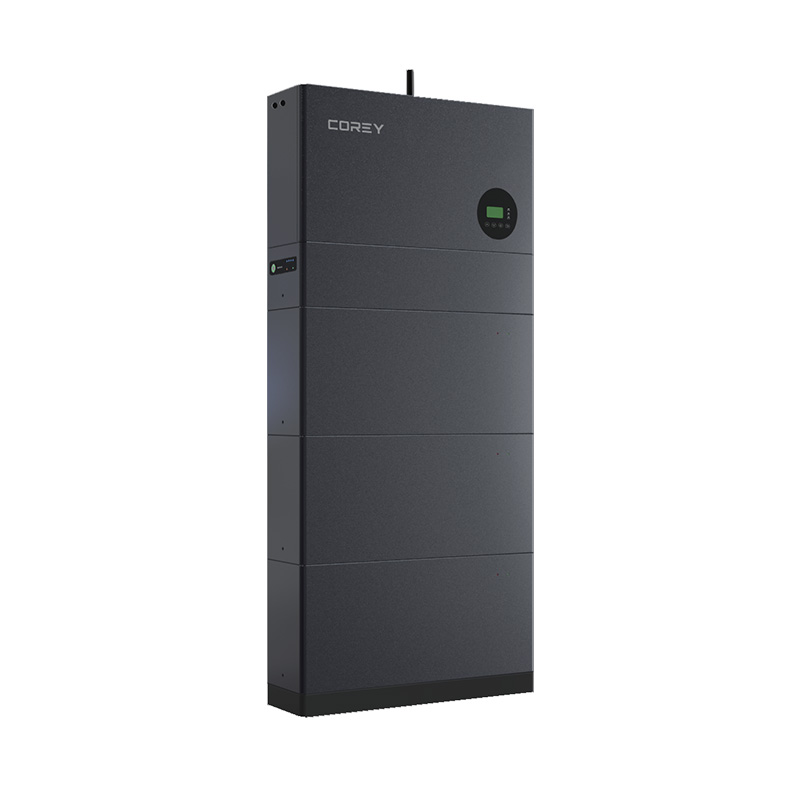
Calculating your realistic return on investment requires complete financial transparency. Payback periods vary wildly based on your local utility rates and available tax incentives. A typical payback window usually spans between 7 to 12 years. Federal programs, like the Investment Tax Credit (ITC), significantly offset your initial capital expenditure. However, achieving true energy independence relies heavily on altering your daily consumption habits.
Time-of-Use (TOU) arbitrage remains the most reliable way to accelerate your ROI. A modern home BESS system automatically discharges stored cheap energy during peak utility hours. When utility companies charge their absolute premium rates in the late afternoon, your home simply runs on battery power. You buy cheap grid energy at night and avoid expensive afternoon rates completely.
Here is a simplified chart showing how TOU arbitrage shifts your daily grid reliance:
Typical Daily TOU Arbitrage Cycle | |||
Time of Day | Grid Rate Status | Smart Battery Action | Primary Home Power Source |
|---|---|---|---|
12:00 AM - 6:00 AM | Off-Peak (Lowest Cost) | Charges from grid (if needed) | Utility Grid |
9:00 AM - 3:00 PM | Mid-Peak (Moderate Cost) | Charges from Rooftop Solar Panels | Solar Production |
4:00 PM - 9:00 PM | Peak (Highest Cost) | Discharges Energy to Home Loads | Battery Storage |
Beyond daily arbitrage, evaluate emerging grid services carefully. Virtual Power Plant (VPP) programs offer highly attractive new financial benefits. You can enroll your connected system in a regional VPP program. The utility will then draw tiny amounts of power from your battery during extreme demand events. In exchange, utilities pay a premium cash rate or issue large bill credits. VPP participation effectively transforms your battery from a personal backup device into an active revenue-generating asset.
Proper implementation involves far more than simply mounting a heavy box on the wall. Site assessment requirements dictate exactly where the hardware can safely live. You must navigate physical space constraints carefully. Some units fit neatly on a discreet exterior wall. Others require dedicated interior garage space due to specific climate needs. Temperature-controlled environments remain vital for optimal battery life. Prolonged exposure to extreme summer heat or winter freezing temperatures will degrade cell performance rapidly.
You must also anticipate hidden project costs during the initial planning phase. Upgrading your main electrical panel (MSP) is frequently required. Older homes typically lack the necessary amperage capacity to support modern electrical loads. Additionally, you will likely need a critical load sub-panel installed. This secondary panel ensures only essential circuits draw power during a blackout. It prevents your water heater from draining the battery while you sleep.
Permitting and interconnection often present the largest logistical hurdles. Setting realistic installation timelines is critical to avoiding frustration. Local utility approval and strict fire code compliance frequently delay go-live dates by weeks or even months. To successfully navigate this bureaucratic process, installers follow these standardized steps:
Professional Site Audit: An engineer evaluates your current electrical panel capacity and maps available wall space.
Custom System Design: The installer drafts a detailed schematic outlining wire runs, conduit placement, and sub-panel integration.
Local Permitting Submission: Structural and electrical plans go to the local municipality for crucial fire and safety approval.
Utility Interconnection Agreement: You must file formal agreements allowing your system to interact safely alongside the broader grid network.
Final City Inspection: A municipal inspector signs off on the physical installation before anyone energizes the system.
Safety standards are absolutely non-negotiable. Always verify UL 9540 certification for the complete system package. This vital standard guarantees the inverter and battery modules communicate safely. Furthermore, demand UL 9540A certification. This rigorous thermal runaway fire testing ensures a single failing internal cell will not ignite the entire unit.
Choosing the right hardware ultimately comes down to your home's current energy footprint. The residential retrofit market differs vastly from new home construction. If you already have solar panels installed, you fit squarely into the retrofitter category. Look closely at AC-coupled modular batteries. They integrate easily alongside older string inverters. You avoid replacing your existing expensive solar equipment.
Conversely, a new build smart home presents a beautiful clean slate. Integrated, DC-coupled all-in-one hybrid systems offer the highest overall efficiency. They store raw solar energy directly without wasteful AC-to-DC inversions. They also provide a much cleaner, streamlined aesthetic on your garage wall.
Future-proofing your investment is just as important as evaluating immediate capability. Look for systems capable of expanding effortlessly over time. Ensure your chosen hardware checks these specific future-ready boxes:
Vehicle-to-Home (V2H) Readiness: The hardware should support bi-directional EV charging natively. Your electric vehicle battery is massive. V2H lets your car power your house for days during emergencies.
Scalable Modular Architecture: You should be able to stack additional battery modules easily. If your household energy demands increase later, simply slide in another battery block.
Smart API Access: The software platform must integrate directly into emerging energy management algorithms and dynamic utility pricing models.
Your next action steps involve gathering highly actionable data. Request a comprehensive site audit from a local, reputable professional. Provide your chosen installer with at least twelve months of historical utility data. This interval data clearly shows your exact peak kW demand. Finally, compare warranty terms carefully across brands. Look beyond the generic ten-year marketing promise. Evaluate the specific megawatt-hour (MWh) throughput clause instead. This crucial metric dictates exactly how much energy you can cycle before the manufacturer warranty officially expires.
A modern residential battery setup represents a significant capital expenditure. However, homes seeking long-term resilience and predictable energy costs consider it the foundational step. Deep smart-home integration requires reliable, controllable power right at the source. Relying solely on the aging utility grid is no longer a viable strategy for the modern household.
To move forward effectively, base your hardware decision strictly on measurable data. Use your historical kW usage and local tariff structures rather than relying on generic marketing promises. Always evaluate your current electrical panel capacity and physically measure your available installation space before falling in love with a specific brand ecosystem. Finally, consult a certified, brand-agnostic installer. Have them conduct a detailed load analysis and draft a site-specific proposal mapping your true payback period.
A: Most premium systems are rated for a cycle life of 6,000 to 10,000 complete charge cycles. Industry-standard warranties typically cover 10 years or a specific megawatt-hour (MWh) throughput capacity limit. Over that initial decade, the battery cells will gradually degrade. They usually retain about 70% of their original storage capacity by year ten.
A: No. Standalone batteries can charge directly from the grid during cheap off-peak hours. They store this inexpensive energy for backup protection and time-of-use arbitrage. While adding solar integration vastly improves your financial return on investment, a standalone battery still provides immense value for grid reliance optimization.
A: While technically possible, it is highly cost-prohibitive for a standard residential footprint. Going completely off-grid requires massive battery capacity and significantly oversized solar arrays to survive consecutive cloudy days. The primary goal for most homeowners is grid-interaction optimization, utility cost reduction, and critical appliance backup, not total grid disconnection.


