
Views: 0 Author: Site Editor Publish Time: 2026-11-14 Origin: Site


You have finally selected the exact capacity and chemistry for your newly acquired Home Battery Energy Storage System. Now you face an equally crucial decision regarding its physical installation location. Your selected installation site heavily dictates system longevity and daily operational safety.
Placing a heavy battery unit outdoors smartly frees up valuable indoor living space. However, this approach exposes a multi-thousand-dollar electronic investment directly to harsh elements. Rain, wind, and airborne debris constantly threaten outdoor electrical equipment.
We will introduce the Ingress Protection (IP) rating framework as your primary objective standard. It reliably evaluates environmental durability for modern energy equipment. You will learn exactly what an IP65 rating guarantees in real-world conditions. We will also explore when outdoor placement makes engineering sense and when it introduces unnecessary installation risks.
IP65 Definition: The enclosure is completely dust-tight (6) and protected against low-pressure water jets like heavy rain (5), but cannot be submerged.
Outdoor Viability: An IP65 rating permits outdoor installation, but it does not account for extreme temperature fluctuations or direct solar radiation.
Installation Realities: The system is only as weather-resistant as its weakest point; improper cable gland sealing during installation immediately compromises the IP65 rating.
Cost-to-Value: If installing in a climate-controlled indoor space, paying a premium for an IP65 enclosure is unnecessary.
The IEC 60529 standard provides a universal regulatory framework for equipment enclosures. Engineers globally use this standard to define physical durability. It entirely replaces vague marketing terms like "weatherproof" or "rugged." This standardized approach grounds manufacturer claims in objective engineering reality.
The first digit in the IP rating represents solid ingress protection. A '6' signifies total and absolute protection against all dust particles. This rating blocks even microscopic airborne debris from penetrating the outer casing.
Why does dust protection matter so much for batteries? It prevents highly conductive dust from entering the main chassis. Micro-debris settling on delicate internal circuit boards causes catastrophic short circuits. In severe cases, internal contamination triggers dangerous thermal runaway events.
The second digit measures liquid ingress resilience. A '5' signifies certified protection against low-pressure water jets. Laboratory technicians test this using a 6.3-millimeter nozzle spraying water from every conceivable direction.
This distinct liquid rating matters immensely for outdoor stability. The unit survives aggressive wind-driven rain effortlessly. It ignores errant lawn sprinkler systems. It handles environments experiencing extreme high humidity without suffering internal component corrosion.
Many buyers falsely assume IP65 means completely waterproof. You must understand this dangerous misconception. The IP65 rating ensures it remains highly water-resistant. It will absolutely fail if submerged in standing water. Water pressure from flooding easily pushes past the protective rubber gaskets.
You need a strict decision framework before purchasing equipment. Match your specific home environment to the correct technical specification. This strategy helps you avoid significant overspending. It also prevents dangerous under-protection scenarios.
Installation Zone and IP Rating Comparison Chart
IP Rating | Primary Use Case | Dust Protection | Water Protection |
|---|---|---|---|
IP20 | Basements, utility closets, indoor rooms | Large objects only (fingers) | Zero water protection |
IP55 | Garages, carports, covered patios | Dust-protected (some ingress possible) | Light splashing and low-pressure spray |
IP65 | Exposed exterior walls, side-of-house | Completely dust-tight | Low-pressure jets from any direction |
Consider IP20 units for strict indoor-only applications. Install them safely inside finished basements or dry utility closets. They offer absolutely zero water protection. They remain highly cost-effective options. You must strictly limit their use to completely dry, climate-controlled interiors.
IP55 units handle transitional covered outdoor spaces well. Place them inside unheated garages or deeply recessed covered patios. They evaluate as dust-protected rather than fully dust-tight. They handle light splashing efficiently. They often prove sufficient for sheltered, semi-outdoor environments.
IP65 enclosures belong on exposed exterior walls. Installers frequently mount them near main utility meters. You absolutely require an IP65 rating for true outdoor Solar Home Battery Storage configurations. Direct rain exposure is completely unavoidable in these specific locations.
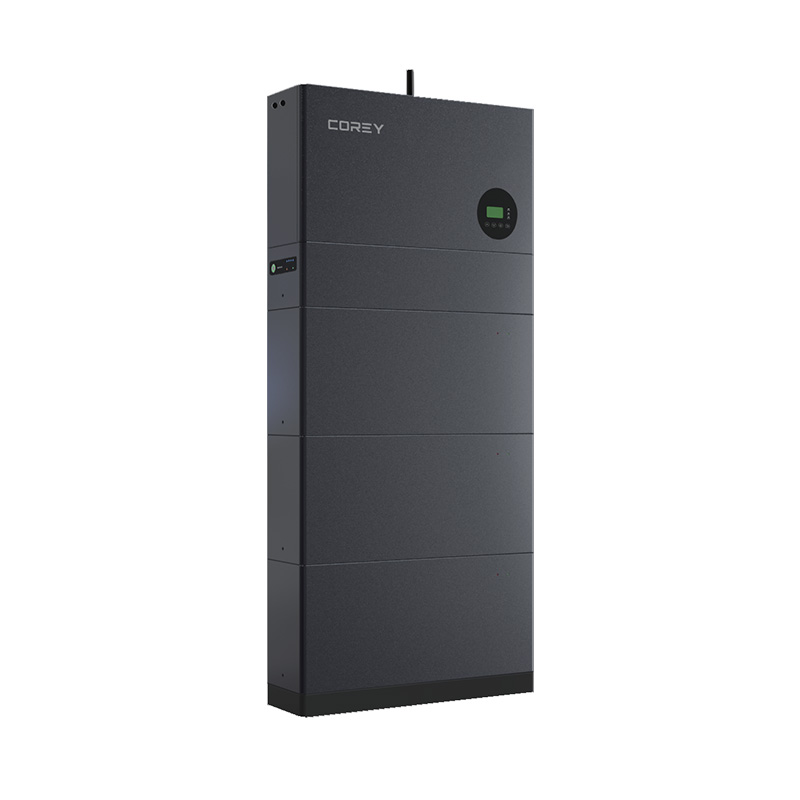
Many homeowners suffer from a severe thermal blind spot. IP ratings strictly measure moisture and dust resistance. They never measure temperature resilience or thermal management capabilities. A perfectly sealed unit can still overheat rapidly.
Direct solar radiation introduces massive operational risks. Even the most rugged IP65 battery struggles under direct afternoon sunlight. The dark metal enclosure absorbs intense heat. This accelerates lithium cell degradation drastically. It frequently triggers sudden thermal shutdowns during peak summer days.
You must implement active mitigation strategies for outdoor setups. Follow these established best practices carefully:
Construct a physical canopy or protective awning directly above the unit.
Select north-facing walls for the physical mounting location.
Use east-facing walls as a secondary option in the Northern Hemisphere.
Ensure strict clearance distances around the unit for passive airflow.
Freezing conditions present entirely different challenges. IP65 prevents melting snow from entering the chassis. However, it does not heat the internal battery cells. Cold climates demand advanced models containing integrated internal heating elements. The IP rating alone cannot guarantee winter performance reliability.
A tightly sealed All-in-One Home ESS traps significant internal heat. These units incorporate both the active inverter and the dense battery modules. Manufacturers face tough challenges dissipating this trapped heat. They cannot compromise the critical rubber weather seals.
Engineers solve this using heavy external heat sinks. Some premium units utilize internal liquid cooling loops. They transfer thermal energy outward efficiently. You must evaluate how your chosen brand manages this thermal burden.
Safety in high-density electrical configurations remains paramount. A modern High-Voltage Home Battery demands strict moisture exclusion. Keeping humidity out prevents dangerous internal electrical arcing. IP65 ensures the physical integrity of these sensitive high-voltage connections. It actively defends against slow environmental creepage.
You face noticeable space and weight trade-offs. Heavy-duty IP65 enclosures typically utilize thicker stamped metals. Many feature dense cast aluminum outer shells. This construction makes them exceptionally heavy. You must provide structurally sound load-bearing walls for safe vertical mounting.
You face significant installer dependency risks during physical setup. A battery leaves the factory fully IP65 certified. The installation process dictates its final real-world resilience. Installers often drill custom conduit holes poorly. They might use low-quality cable glands. This immediately renders the system IP-compromised.
You must calculate precise flood clearances carefully. IP65 cannot handle any form of submersion. Installers must calculate mounting heights well above historical local flood lines. They must also account for anticipated winter snowdrift levels.
Coastal environments pose unique chemical threats. Standard IP65 certification ignores corrosive salt mist entirely. Salt spray easily eats through standard painted metal. Buyers in coastal areas must verify specific salt-mist corrosion certifications. Check for IEC 61701 compliance alongside the IP rating. This dual certification protects your long-term warranty.
Outdoor units demand stricter routine maintenance requirements. You must conduct regular visual checks. Debris constantly accumulates around external heat sink fins. Spiders and insects often build nests in mounting brackets. You must clear these blockages manually. The sealed unit cannot rely on internal airflow to push debris away.
Evaluate your property layout objectively before demanding an IP65 system.
Choose a fully rated IP65 enclosure only if outdoor placement is mandatory.
Conduct a thorough physical site audit alongside a certified local installer.
Confirm all local municipal zoning laws regarding required outdoor battery setbacks.
Read the manufacturer warranty closely to verify exact outdoor placement stipulations.
A: No. IP65 protects against low-pressure jets like heavy rain. Pressure washers deliver extreme mechanical force. They easily push water past standard rubber seals. Pressure washing requires an IP66 or IP69K industrial rating. Always use a simple damp cloth for routine external cleaning.
A: No. IP65 provides absolutely zero protection against submersion. The static pressure from standing water penetrates the enclosure rapidly. Batteries located in known flood-prone areas must be securely wall-mounted high off the ground.
A: They measure slightly different environmental factors. IP65 is generally much more stringent against fine dust and directed water ingress. NEMA 3R is designed primarily for basic falling rain and external ice formation. IP65 offers superior sealing for sensitive electronic components.
A: Structurally, yes. The sealed enclosure will easily keep the melting snow outside. However, extreme cold severely limits lithium battery charge and discharge capacities. The unit requires an integrated internal cold-weather heating system to function efficiently during a snowstorm.


